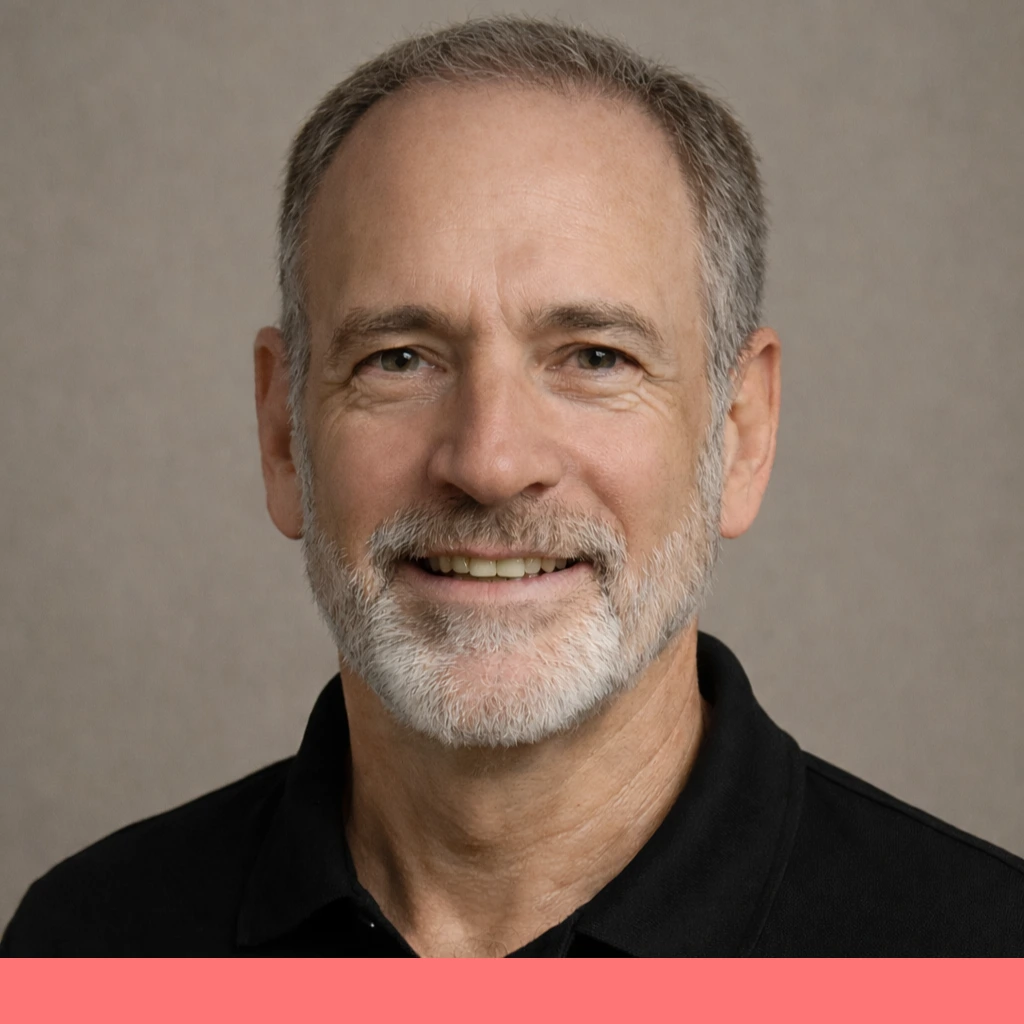



About the speaker
Dennis Pinigis is a U.S. Army veteran, writer, and content producer. He graduated from the U.S. Military Academy at West Point with a Bachelor of Science in General Engineering and earned a Master of Science in Environmental Engineering from UCLA. His background includes service as a U.S. Army attack helicopter pilot, followed by a career as an environmental engineer specializing in large-scale remediation projects. He has since transitioned to full-time fiction writing and media production, with a focus on the practical use of artificial intelligence in creative work. In 2025 he published a fully-AI written mystery novel “Elon Musk is Dead”.
About the keynote
The Practice of AI-Assisted Fiction: Craft, Norms, and Consequences
As AI tools become common in writing, editing, and publishing, debates often flatten into a single question: “Was it AI or not?” That framing misses what actually matters to readers, educators, and platforms: how the tool was used, what the human author did, and what standards of responsibility still apply? This talk offers a practical, first-hand view from the perspective of a fiction author who has used AI in the creative process while remaining publicly transparent about it.
The presentation maps the creative workflow of AI-assisted fiction, distinguishing between brainstorming, outlining, drafting, revision, voice consistency, and verification. It highlights where AI can genuinely accelerate production and where it can quietly degrade quality, originality, or accountability. Along the way, the talk addresses a real cultural problem that has emerged around disclosure: when policies and gatekeepers treat “AI” as one undifferentiated category, creators are incentivized to disclose less. The result is not clarity but a weaker trust environment in which provenance is harder to judge.
This talk proposes a plain-language framework for describing AI use that readers and institutions can understand, organized around four actions: generation, revision, verification, and responsibility. The goal is not to argue for or against AI, but to offer a grounded way to talk about AI-assisted fiction that protects craft, meaning, and trust in an age where fluent language is easy to produce and harder to validate.